

Golf After Knee Replacement: Insights from Science and Experience
One of the most common questions I hear in my clinic is, “When can I play golf again after knee replacement surgery?”. As a knee surgeon based in Wolverhampton, I know how important it is for some patients to get back to the activities they love — golf included. Here, I’ll share some practical guidance on when you can safely return to the course and how to do it sensibly, so you can plan your recovery with confidence based on my experience as a knee surgeon and what the literature say.
How many golfers return after knee replacement?
Research shows that up to 80% of patients make it back to the golf course after knee replacement surgery. Many are able to enjoy at least 9 holes comfortably, and a good number get back to their previous level of play or close to it. These figures reflect how far modern surgical techniques and good rehabilitation have come.
When can you expect to play again?
Recovery times vary from person to person, I recommend gradual return to golf after surgery, as long as your recovery is on track. I usually suggest to my patients to ease back in with putting and short games around 6-8 weeks. By about 3 to 6 months, most people are ready for full swings and can walk the course again, provided they’re taking the right precautions.
Does It matter which knee was replaced?
Something patients often don’t consider is how the side of your knee replacement and your dominant hand affect your swing.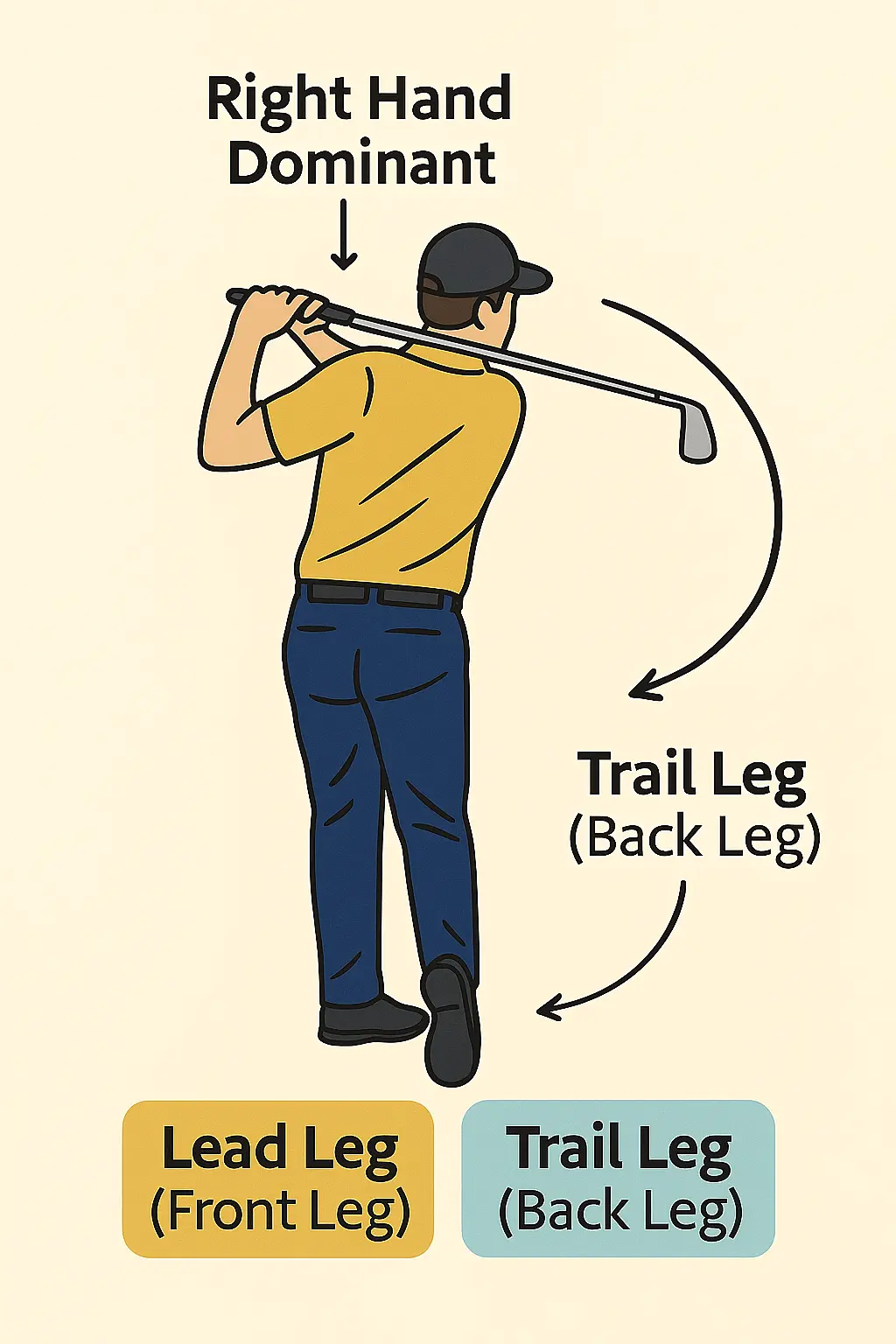
Lead leg (front leg) — For right-handed golfers, this is the left knee. If your surgery was on this side, you may find it trickier to transfer weight and follow through, as the lead knee takes a lot of force during your swing. Regaining strength and stability here is key.
Trail leg (back leg) — For right-handed golfers, this is the right knee. If your replacement was on this side, the focus is more on balance and the ability to pivot smoothly. Good rehab should work on rotational strength and flexibility to help your swing feel natural again.
A study in the Journal of Arthroplasty found that golfers adapt their swing slightly to protect the replaced knee, often with small changes that keep their game strong without putting the implant at risk.
The common “clunk” sensation
Many people notice a clicking or “clunk” in their knee when they twist or bend, especially in activities like golf. This is usually nothing to worry about. Often, this happens as the components of the implant move and settle during motion. Soft tissues around the knee are also adapting to new mechanics, which can contribute to this feeling. As long as it doesn’t hurt, swell, or make your knee feel unstable, it’s generally harmless. However, if you are feeling pain, swelling, or like your knee might “give way,” it’s best to check in with your surgeon.
Tips for a smooth return to golf
- Focus on rehab: Strength, balance, and rotational exercises that mimic golf movements can really help.
- Adjust your swing: If possible, work with a golf pro who understands your knee replacement — even small tweaks can make a big difference.
- Use the right gear: Supportive shoes and, if needed, a knee brace can help with stability during the game.
- Take it step by step: Start with putting and short game practice. When you’re comfortable, gradually build back up to full swings and walking the course.
- Consider a golf cart: Especially early on, this can reduce strain while you regain strength.
Above all, listen to your body. Give yourself permission to recover at your own pace — there’s no rush.
Why golf can help recovery
If you love golf, you’ll be glad to know it can actually support your recovery. Time on the course keeps you moving, lifts your mood, and can be a big boost to both physical and mental health. Getting back to something familiar brings a sense of normality that’s so valuable after surgery.
Final thoughts
Getting back to golf after knee replacement surgery is entirely possible for most people. With a good rehab plan, awareness of how your swing might change, and a bit of patience, you can look forward to enjoying the game again — often within a few months. Always check in with your healthcare team to make sure your activity level is right for where you are in recovery.
If you would like to learn more about recovery after knee replacement surgery, you can read my relevant article here.