
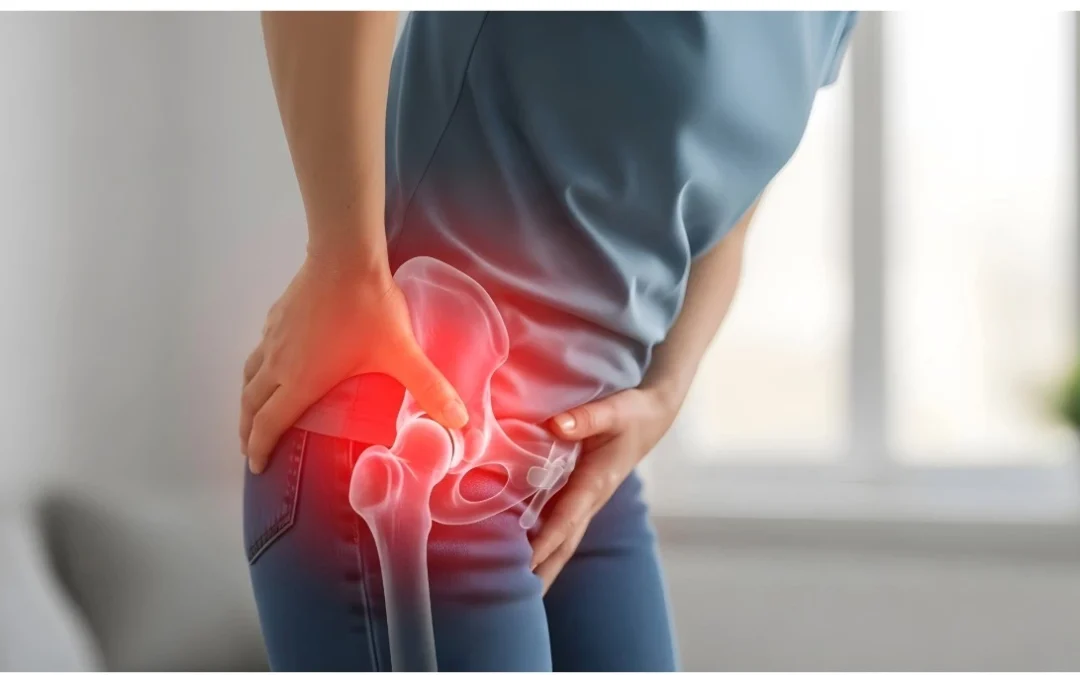
Hip pain does not always mean surgery.. Learn the difference between Arthritis and Bursitis
Hip pain is commonly caused by hip arthritis or hip bursitis, but the two conditions are different. Hip arthritis affects the joint itself and usually causes groin pain, stiffness, and reduced movement. Hip bursitis typically causes pain on the outside of the hip, especially when lying on that side, sitting, crossing legs or even walking. Understanding the difference helps determine whether treatment should focus on physiotherapy, medication, injections, or in some cases surgery.
What Is Hip Arthritis?
Hip arthritis occurs when the cartilage in the hip joint gradually wears away. This causes the bones of the joint to rub together, leading to pain, stiffness, and reduced mobility. The most common type is osteoarthritis, which becomes more frequent with age.
Common symptoms include:
- Pain felt deep in the groin and sometimes in front of the thigh
- Stiffness when getting up from a chair
- Difficulty putting on shoes or socks
- Pain when walking longer distances
- Reduced range of hip movement
What Is Hip Bursitis?
Hip bursitis occurs when a small fluid-filled sac (bursa) on the outside of the hip becomes inflamed. This condition is often referred to as greater trochanteric pain syndrome.
Typical symptoms include:
- Pain on the outer side of the hip
- Tenderness when touching the side of the hip
- Pain when lying on the affected side
- Pain when walking or climbing stairs
- Pain that may spread down the outer thigh
Does Hip Pain Always Mean You Need a Hip Replacement?
No. Many patients with hip pain do not require surgery. Hip replacement is usually considered only when arthritis is clearly visible on imaging, pain significantly affects daily activities, non-surgical treatments have not helped, and walking distance becomes very limited.
Treatments for Hip Arthritis
- Physiotherapy
- Weight management
- Anti-inflammatory medication
- Activity modification
- Joint injections in selected cases.
When arthritis becomes severe and affects quality of life, hip replacement surgery may be recommended.
Treatments for Hip Bursitis
- Physiotherapy exercises
- Anti-inflammatory medication
- Activity modification
- Cortisone injections
Surgery is rarely required for hip bursitis.
When Should You See a Specialist for Hip Pain?
- Hip pain persists for several months
- Pain affects sleep or walking
- Stiffness limits daily activities
- Pain continues despite physiotherapy or medication
Key Takeaway
Hip pain does not always mean arthritis or the need for surgery. The location of the pain and associated symptoms often help distinguish between conditions such as hip arthritis and hip bursitis. Accurate diagnosis is important because treatment options and recovery expectations can be very different.